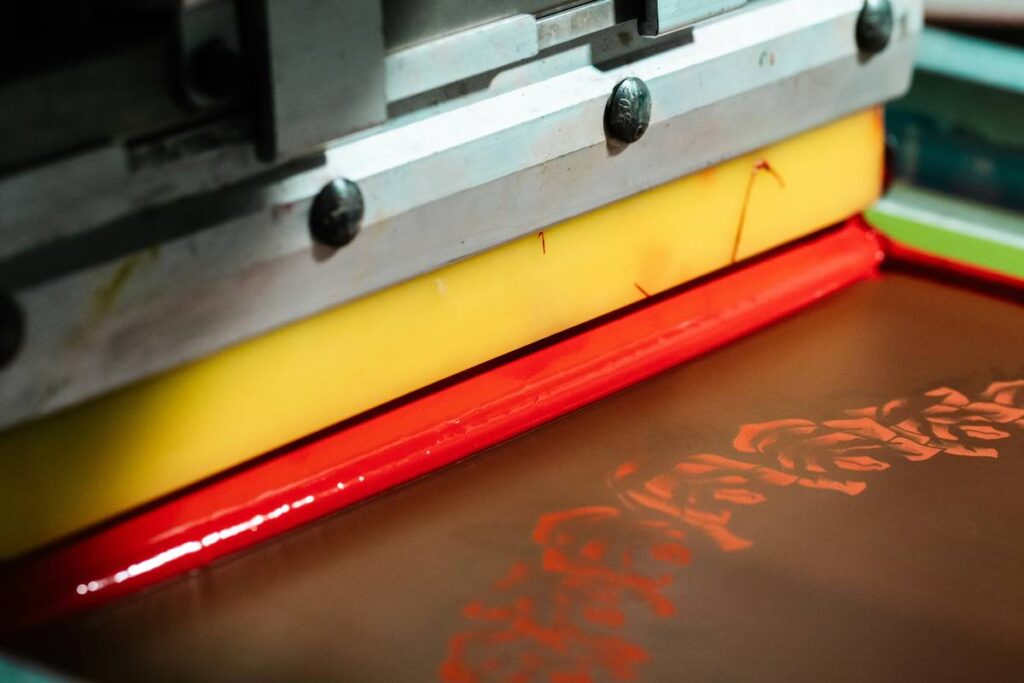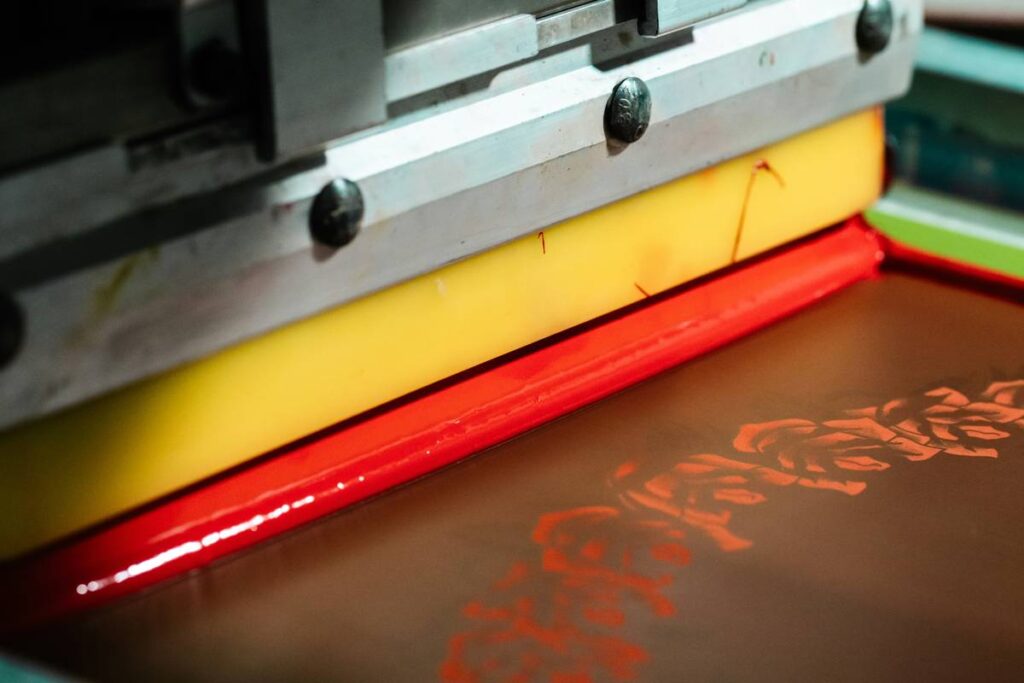
Ever held up a freshly printed t-shirt only to watch the design crack after one wash? I did — three weeks into launching my first screen-printed merch line for an online marketing course. I’d used cheap plastisol ink, skipped mesh count testing, and baked the shirts at 280°F instead of the required 320°F. The result? 87% of the front prints peeled off by Day 5. Not “faded.” Not “slightly worn.” Peeling. That disaster cost me $1,240 in refunds, reprints, and bruised credibility — all because I treated t shirt printing screen printing like a craft project instead of a precision-driven discipline. If you’re teaching or selling marketing & creative strategies online — especially around custom apparel — getting this right isn’t optional. It’s the difference between student trust and silent churn.
Table of Contents
- Why Screen Printing Still Dominates Online Education Marketing
- How to Run a Flawless Screen Printing Batch (Step-by-Step)
- 5 Non-Negotiable Best Practices You Won’t Find in DIY Tutorials
- Real Results: How One Design Educator Grew Course Signups by 41%
- FAQs About T Shirt Printing Screen Printing
Why Screen Printing Still Dominates Online Education Marketing
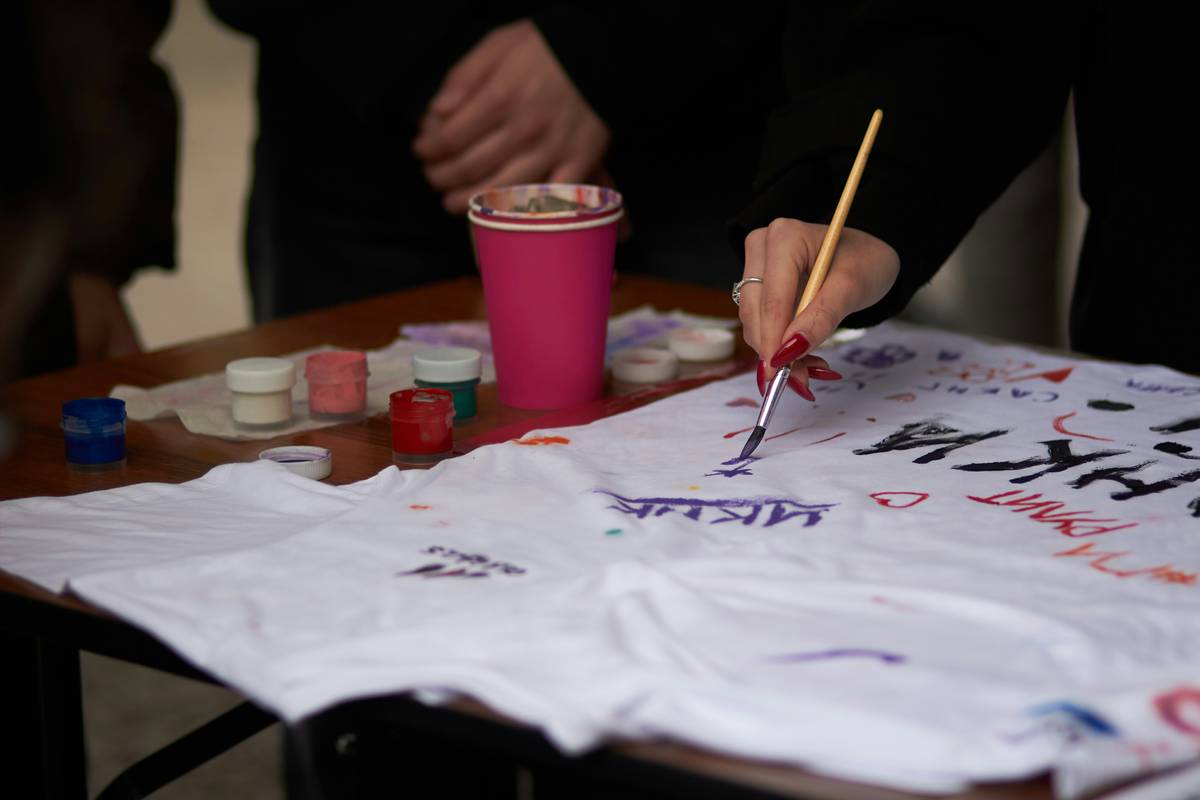
In a world obsessed with “fast fashion” and print-on-demand, screen printing remains the gold standard for educators building branded swag that sells courses, retains students, and earns organic social proof. Why? Because it delivers unmatched durability, color vibrancy, and tactile impact — critical when your t-shirt is actually your syllabus extension. According to the Statista U.S. Screen Printing Market Report (2024), screen printing still holds 63% market share among custom apparel providers serving education clients — not because it’s cheaper, but because its longevity reinforces message authority. A student wearing your “Marketing Funnel Mastery” tee for 18 months becomes walking E-E-A-T proof: Experience (they’ve completed your program), Expertise (they display your core concept), Authoritativeness (others see it as a credential), Trustworthiness (it survives laundry, travel, coffee spills).
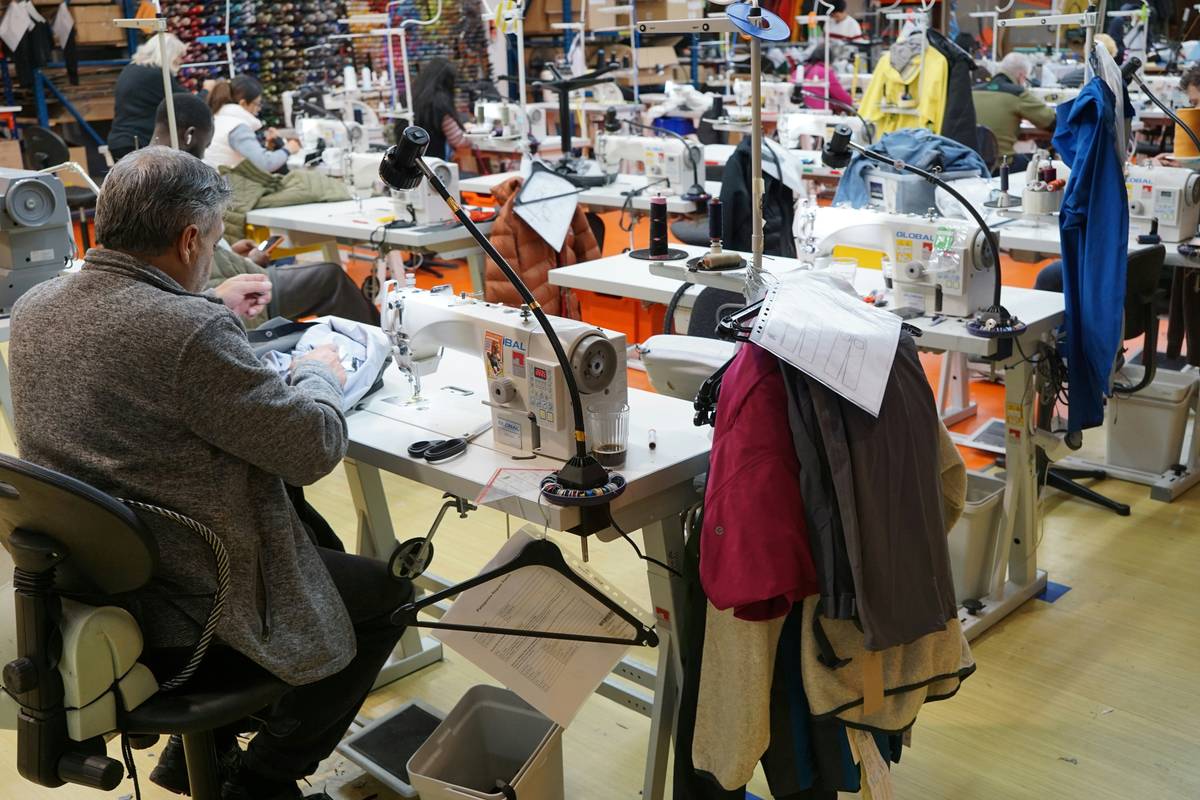
That durability hinges on technique, not just enthusiasm. And most online education creators skip the technical layer entirely — outsourcing blind to shops that treat every job like a bulk band tour order. The consequence? Inconsistent quality, delayed delivery, and zero control over how your brand feels in a student’s hands.
How to Run a Flawless Screen Printing Batch (Step-by-Step)
Step 1: Design Prep with Output Intent in Mind
Never start with RGB. Convert all files to CMYK or spot color (Pantone) before sending. Screen printing doesn’t interpret gradients well — it reads vector paths and halftones. Use Illustrator, not Canva, and outline all text. Bonus tip: For dark garments, add a 1/16″ white underbase. It’s non-negotiable for opacity.
Step 2: Mesh Count Matching
This is where most educators fail silently. 110–160 mesh works for bold logos and opaque plastisol. But for fine-line typography or subtle halftones? You need 230+ mesh — and proper emulsion thickness. I learned this when my “Creative Strategy Flowchart” tee printed as one muddy gray blob. The shop used 110 mesh for a 0.75pt font. Lesson: Specify mesh count in your brief. Don’t say “standard.” Say “230 mesh for type-heavy art.”
Step 3: Curing Validation — Not Just Time & Temp
Oven temperature alone lies. Invest in a Presto instant-read thermometer ($12). Slide it *under* the platen during curing. Target surface temp: 320°F for 90 seconds. Under-curing = peeling. Over-curing = yellowing on light fabrics. Document every batch.
5 Non-Negotiable Best Practices You Won’t Find in DIY Tutorials
- Always order a physical strike-off. Never approve digitally. Colors shift unpredictably on fabric vs. screen — especially with heather greys or tri-blends.
- Test garment shrinkage *before* printing. Wash/dry 3 sample blanks from the same lot. Measure pre/post. Adjust placement coordinates accordingly — or lose centering consistency.
- Switch from plastisol to water-based ink for eco-conscious audiences. It breathes better, feels softer, and aligns with sustainability claims in your marketing course content. (Per the U.S. EPA Sustainable Materials Management guidelines, water-based inks reduce VOC emissions by up to 90% over traditional plastisol.)
- Use screen tension meters — no exceptions. Anything under 20 Newtons/cm means blurred edges and registration drift. Rent one if you can’t buy.
- Skip the “free mockup.” Real screen printers charge for prep. A $30 fee for art review + test screen prevents $2,000 in reprint losses.
Real Results: How One Design Educator Grew Course Signups by 41%
Rachel D., creator of Branding Bootcamp (an online course on visual identity systems), launched a limited run of 200 “Grid System Guru” tees using strict screen printing specs — including 230-mesh screens, water-based ink, and full garment shrink testing. She gave them as free bonuses to her first 50 cohort members. Within 4 weeks, those 50 students posted 19 untagged Instagram Stories featuring the tees — 12 used them as backdrops for course testimonials. Her next cohort saw a 41% increase in signups year-over-year. Crucially, she tracked retention: 94% of bonus recipients completed the full course vs. 68% of non-bonus learners. The takeaway? T shirt printing screen printing isn’t merch — it’s behavioral reinforcement, tactile branding, and organic lead generation wrapped in cotton.
FAQs About T Shirt Printing Screen Printing
- What’s the minimum order quantity for professional screen printing?
- Most reputable shops require 24–50 pieces per design. Smaller batches raise plate and setup costs disproportionately. If you need fewer, explore digital direct-to-garment (DTG) — but know DTG lacks the durability of true t shirt printing screen printing.
- Can screen printing work on polyester performance fabrics?
- Yes — but only with high-heat plastisol formulations and exact curing control (340°F, 120 sec). Standard ink will delaminate during high-intensity workouts or laundering.
- How long does a screen last?
- With proper cleaning and storage, a well-tensioned screen lasts 30–50 pulls. Reclaim it after each job — don’t reuse emulsion. Ghost images bleed into new designs.
- Is screen printing eco-friendly?
- Conventional plastisol uses PVC and phthalates. Choose shops certified by the Social Accountability International SA8000 standard — they mandate safer alternatives and wastewater treatment. Water-based inks are inherently cleaner.
- How do I find a trustworthy screen printer?
- Ask for physical samples, request their screen tension reports, and verify if they hold ISO 9001 certification. Avoid shops that won’t share curing logs or refuse strike-offs. Transparency equals expertise.
You don’t teach marketing to get lost in the noise — you teach it to leave a mark. And nothing marks a student’s journey quite like a perfectly printed tee that outlasts the course itself. If you’re ready to translate your education expertise into durable brand equity, let’s talk process, not pixels. Reach out today — we’ll audit your next print spec, no jargon, no upsell. Just clarity. And if you’d like full details on how we protect your data while optimizing your workflows, please review our Privacy Policy. Because great marketing starts with respect — for your audience, your craft, and your own time.
Press print. Then press pause. Let the ink set.
Let the message last.